


Barun Valley —
Nepal's Wildest
Off-Beat Trek
बरुण उपत्यका
Snow leopards, red pandas, and a valley so undeveloped it barely appears on the standard trekking maps — all folded beneath the sheer pyramid face of Mt. Makalu, the world's fifth-highest mountain.
A Landscape That Still Feels Genuinely Wild
Barun Valley sits entirely inside Makalu Barun National Park, in Nepal's Sankhuwasabha district, at the base of Mount Makalu — the world's fifth-highest mountain. It is one of the least developed places in the country, a landscape where giant waterfalls cascade into deep, echoing ravines, jagged rocky cliffs rise dramatically from lush green forest, and vibrant wildflowers create a carpet of color beneath colossal snow-capped peaks.
This is not a trek built for crowds. Trail infrastructure is minimal, tourist numbers are genuinely low even in peak season, and the reward for that remoteness is a landscape that still feels largely untouched — home to snow leopards, red pandas, and Himalayan black bears living in terrain few outsiders ever walk through.
Barun Valley — Quick Reference
- Location
- Sankhuwasabha District, Koshi Province
- Protected area
- Makalu Barun National Park
- Nearby peak
- Mt. Makalu (8,485m / 8,463m)
- Trek start
- Tumlingtar via Arun River
- Key wildlife
- Snow leopard, red panda, black bear
- Signature flower
- Himalayan blue poppy
- Local communities
- Sherpa, Rai
- Best seasons
- Mar-May, Sep-Nov
What Is the Barun Valley?
Tucked away in the Sankhuwasabha district of eastern Nepal, Barun Valley is a place of raw, dramatic landscapes. It's a world where giant waterfalls cascade into deep, echoing ravines, jagged rocky cliffs rise from lush green forest, and vibrant wildflowers bloom beneath colossal snow-capped peaks — a combination that few other trekking destinations in Nepal offer within a single valley.
The trek to Barun Valley begins from Tumlingtar, a small town in eastern Nepal. From here, trekkers follow the Arun River upstream, passing through lush green forests of rhododendron, oak, and bamboo. As they gain altitude, the landscape shifts to alpine meadow and eventually to barren rocky terrain — a genuine cross-section of eastern Nepal's ecological range compressed into a single route.
Rare Species in Genuinely Wild Terrain
The highlight of the trek is the valley itself — home to several rare and endangered species that few trekkers anywhere in Nepal get to see in the wild.
Snow Leopard
An elusive apex predator of the valley's rocky, high-altitude terrain — a genuine rarity even for experienced Himalayan trekkers to spot.
Red Panda
Found in the valley's forested mid-elevation zones, this endangered species is one of the region's most cherished wildlife residents.
Himalayan Black Bear
Another significant, genuinely wild resident of the valley's forest zones, reinforcing Barun Valley's reputation as one of Nepal's least disturbed ecosystems.
Satyr Tragopan (Danfe)
A strikingly colourful pheasant species, among the most photogenic bird sightings along the trek route.
Himalayan Monal (डाँफे)
Nepal's national bird, its iridescent plumage a genuine highlight for birdwatchers making the journey through the valley's forests.
Blood Pheasant (चिलिमे)
Another distinctive high-altitude bird species that adds real depth to Barun Valley's birdwatching credentials.
 Himalayan Monal (डाँफे) — Nepal's national bird
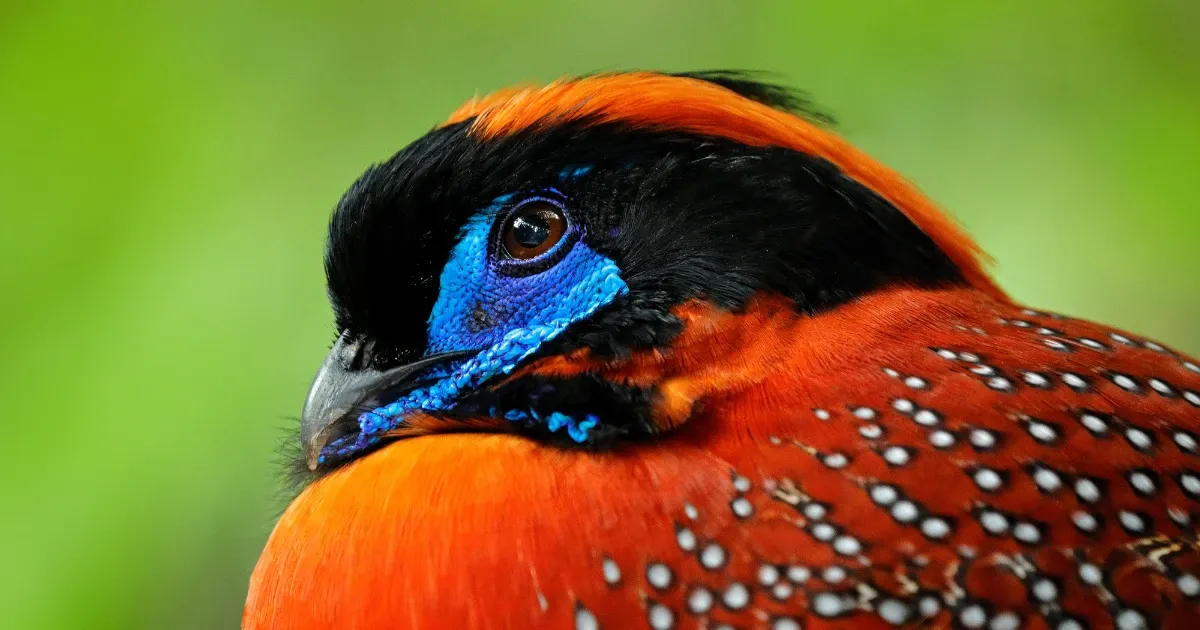 Satyr tragopan — one of the valley's most striking pheasants
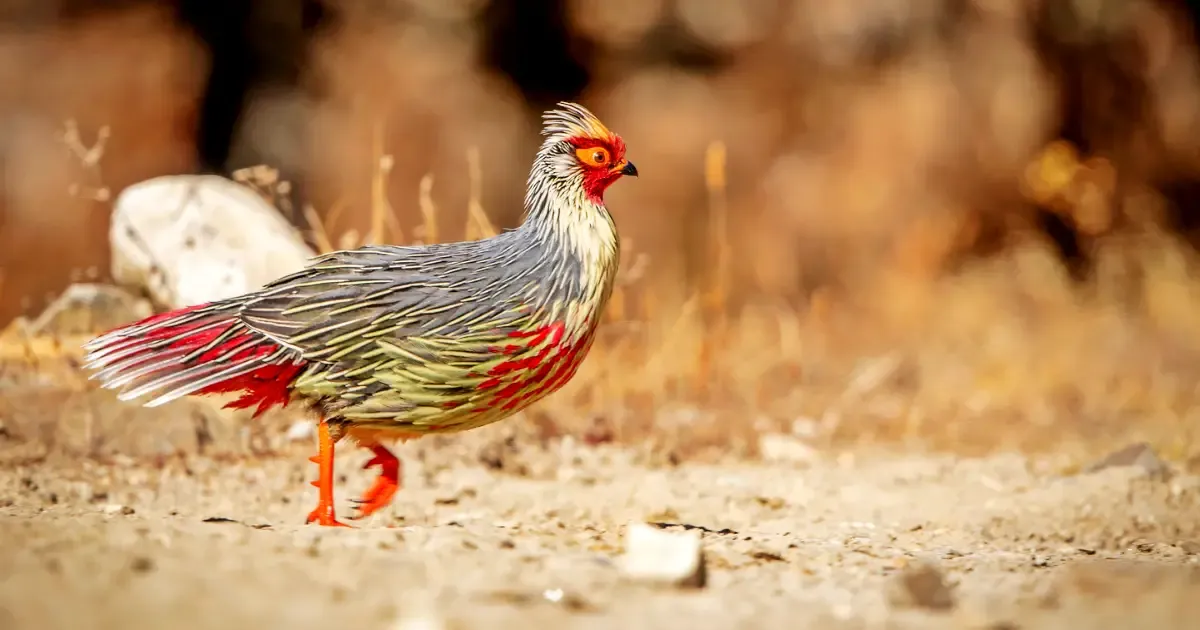 Blood pheasant (चिलिमे) — a high-altitude specialist
A Valley Painted in Color
The valley is equally famous for its wildflowers. Rare alpine species carpet the meadows through the trekking season, adding genuine visual drama to the already dramatic backdrop of snow-capped peaks and rocky cliffs.

The Challenge and the Reward
Let's be clear: the Barun Valley trek is not a simple walk. It is a demanding journey that requires a solid level of fitness and genuine preparation.
High Altitude
Acclimatization is key to avoiding acute mountain sickness (AMS). Build rest days into your itinerary rather than rushing the ascent.
Steep Climbs
The trail features long, strenuous ascents and descents through varied terrain, demanding real stamina across multiple consecutive days.
Long Days
Expect to be walking for several hours each day across genuinely challenging terrain, from forest trails to rocky alpine ground.
But for every challenge, the rewards are tenfold. You will witness awe-inspiring views of Mt. Makalu, Mt. Chamlang, and even distant glimpses of Mt. Everest — alongside a genuine connection with the Sherpa and Rai communities who call this remote valley home.
Sherpa and Rai Communities
Beyond the scenery, the Barun Valley trek offers a genuine chance to connect with the unique culture of the local Sherpa and Rai communities, gaining an honest look into their traditional way of life. These communities have lived within and alongside this landscape for generations, shaping — and being shaped by — one of the most remote inhabited valleys in eastern Nepal.
The growth of tourism in the region has supported local economies while helping preserve the area's natural and cultural heritage. Local communities have been actively involved in promoting sustainable tourism practices, including waste management, conservation of natural resources, and cultural preservation — a responsible-tourism model built from the ground up rather than imposed from outside.
Best Seasons to Trek
Spring · March-May
The perfect time to see rhododendrons in full bloom, painting the hillsides red and pink. Weather is generally stable and pleasant throughout the season.
Autumn · September-November
This season offers the clearest skies and sharpest mountain views. The air is crisp, and conditions are ideal for high-altitude trekking.
Monsoon · June-August
Heavy rain and leeches make the trail difficult and genuinely dangerous. Fewer tourists attempt the trek during this window for good reason.
Sustainable tourism: Your trek directly supports local communities. The growth of responsible tourism in Barun Valley helps fund conservation efforts, manage waste, and preserve the area's priceless natural and cultural heritage. By choosing to visit, you become part of this positive cycle.
Is the Barun Valley Trek for You?
This off-the-beaten-path adventure offers an unmatched combination of natural grandeur, rich cultural encounters, and thrilling discovery. It is a true expedition for dedicated nature lovers and trekkers who want to see a side of Nepal that few others do — not a checklist destination, but a genuine journey into one of the country's wildest remaining landscapes.
The journey is demanding, but it delivers on its promise: stunning Himalayan views, rare wildlife opportunities, and a profound connection with the wild. Barun Valley isn't just a place you visit — it's an experience that stays with you long after you've left.
Frequently Asked Questions
What is the Barun Valley Trek?
The Barun Valley Trek is an off-the-beaten-path Himalayan journey through Makalu Barun National Park in Sankhuwasabha district, eastern Nepal. Starting from Tumlingtar and following the Arun River, it leads to a secluded valley at the base of Mt. Makalu, known for rare wildlife, wildflowers, and Sherpa-Rai culture.
How tall is Mount Makalu?
Mount Makalu, the world's fifth-highest mountain, is commonly cited at 8,485 metres (27,838 ft), with some sources listing 8,463 metres (27,766 ft). It sits on the Nepal-Tibet border, roughly 19 km southeast of Mount Everest.
What wildlife can I see in Barun Valley?
Snow leopards, red pandas, and Himalayan black bears are the valley's rare mammal species. Birdwatchers can spot the satyr tragopan (Danfe), Himalayan monal, and blood pheasant among many other high-altitude species.
What is the best time to trek Barun Valley?
Spring (March to May) offers full rhododendron blooms and stable weather. Autumn (September to November) delivers the clearest skies and sharpest mountain views. Monsoon (June to August) brings heavy rain and leeches, making the trail difficult and dangerous.
How difficult is the Barun Valley Trek?
The trek is genuinely demanding, requiring solid fitness and preparation for high altitude, steep climbs, and long trekking days. Proper acclimatization is essential to avoid acute mountain sickness (AMS).
Where does the Barun Valley Trek start?
The trek begins in Tumlingtar, a small town in eastern Nepal, accessible by flight from Kathmandu. From there, trekkers follow the Arun River upstream through rhododendron, oak, and bamboo forest before entering the Barun Valley.
What wildflowers grow in Barun Valley?
The valley is known for the Himalayan blue poppy, primrose, cobra lily, and vivid rhododendron blooms, which peak during the spring trekking season.

Hi! Please, Do not Spam in Comments