

Sabha Pokhari —
Where Sages Once
Gathered
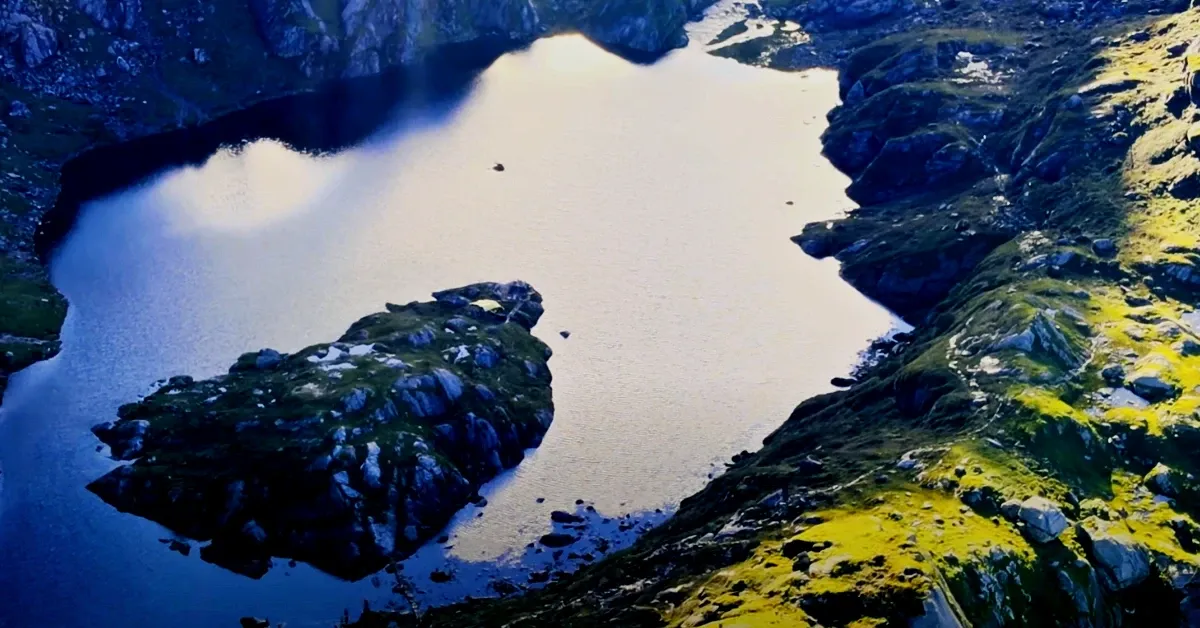
At the foot of Mt. Makalu and Lumba Sumba Hill, a 4,200-metre pond carries a name that means "meeting" — and a legend that says a great gathering of sages once assembled on its shores.
A Pond Whose Name Means Meeting
Sitting at the foot of Mt. Makalu and the Lumba Sumba Hill, Sabha Pokhari is a captivating blend of natural allure and spirituality. Spanning roughly 200 metres in length and 100 metres in width, this high-altitude pond in Nepal's Sankhuwasabha district has become a genuine sanctuary — for the local communities who consider it sacred, and for the trekkers drawn to its remote, dramatic setting at 4,200 metres above sea level.
The name itself tells a story. In Nepali, Sabha means "meeting" or "assembly," and Pokhari means "pond." Local Hindu tradition holds that this combination is no accident — that the pond takes its name from a legendary gathering that unfolded on its shores long ago.
Sabha Pokhari — Quick Reference
- Location
- Sankhuwasabha District, Koshi Province
- Elevation
- 4,200 metres
- Pond size
- ~200m x 100m
- Nearby peaks
- Mt. Makalu, Lumba Sumba Hill
- Name meaning
- Sabha = meeting, Pokhari = pond
- Key festivals
- Janai Purnima, Nag Panchami
- Trek duration
- 12-15 days round trip
- Trek access
- Fly to Biratnagar, drive to Hile/Basantapur
The Gathering of 8,800 Sages
Byas Rishi's Divine Congregation
In Hindu mythology, one captivating legend echoes through the ages onto the serene canvas of Sabha Pokhari. According to local tradition, set in the era of Dwapar Yuga, the renowned sage Byas Rishi orchestrated a divine congregation at this pond, delivering profound teachings to a gathering of 8,800 sages. The amalgamation of wisdom and spirituality is said to be the origin of the pond's name — a meeting place, remembered in its own name for all the centuries since.
Janai Purnima and Nag Panchami — two significant Hindu festival days — see the pond swarmed with devotees seeking spiritual cleansing and blessings. The belief that a dip in Sabha Pokhari can absolve sins and bring good fortune adds considerably to its enduring pull, drawing pilgrims from across the surrounding hills each year.
Steeped in history and legend alike, Sabha Pokhari is not merely a natural marvel — local tradition remembers it as a testament to spiritual gathering that has shaped the pond's identity for centuries.
A Working Pond Since the 10th Century
Local historical tradition attributes Sabha Pokhari to King Karna Sen of the Sen dynasty, dated to the 10th century — a claim that, whether taken as precise history or enduring local memory, speaks to just how long this pond has held meaning for the communities around it. Beyond its spiritual role, the pond served genuinely practical, everyday purposes across generations: irrigation for surrounding farmland, a fishing ground, and a place for laundering clothes — weaving its threads directly into the working, daily culture of the region rather than existing purely as a distant pilgrimage site.
A Mosaic of Northern and Southern Valley Communities
The diverse ethnic communities inhabiting the valleys around Sabha Pokhari each contribute their own traditions to a genuinely vibrant cultural mosaic.
Local authorities have made real efforts to promote Sabha Pokhari as a sustainable tourist destination — developing lodges, tea houses, and trekking routes to make the area easier to explore, while emphasising conservation practices intended to preserve the region's natural and cultural legacy. That development has had a genuinely positive impact on the economic well-being of the surrounding communities, opening a new income stream alongside traditional agriculture.
Twenty-Six Species of Rhododendron
The area around Sabha Pokhari holds a wealth of biodiversity, including 26 distinct types of rhododendron alongside a range of native fauna. Nepal's national flower reaches an unusual level of species diversity in this particular corner of Sankhuwasabha, with each variety blooming at slightly different elevations and times through the spring — turning the approach to the pond into a genuinely striking seasonal spectacle for anyone timing their visit right.
Timing tip: Spring is the season to see the rhododendron forests at their fullest — the diversity of species here means the bloom unfolds in overlapping waves rather than all at once, extending the colourful window considerably.
The Journey to Sabha Pokhari
A 12 to 15 day expedition through some of eastern Nepal's most varied terrain, from dense forest to high alpine passes.
-
Start
Fly to Biratnagar, drive to Hile or Basantapur
The trekking adventure begins with a flight to Biratnagar in the eastern Terai, followed by a road journey to Hile or Basantapur, the launch points for the trail.
-
Route
Tute Deurali through Milke Danda
The trek proceeds from Tute Deurali through the Milke Danda ridge, covering Sabha Pokhari itself, the neighbouring Tin Pokhari, and Mangsima village.
-
Terrain
Forest, alpine meadow, high passes
The route navigates dense forest, open alpine meadow, and high-altitude passes, rewarding trekkers with the unique culture of the region's ethnic groups and panoramic views of snow-capped mountains along the way.
-
Return
Chichila to Tumlingtar, flight to Kathmandu
The trek concludes via Chichila to Tumlingtar, with a return flight to Kathmandu completing the 12 to 15 day expedition.
Accommodation: Lodges and tea houses have been developed along the route to accommodate trekkers, though the trek remains genuinely challenging — reasonable fitness and prior high-altitude trekking experience are recommended.
Farmers, Crops, and a Fertile Land
The majority of the population surrounding Sabha Pokhari are farmers, cultivating a genuine variety of crops across the region's fertile valleys. Beyond staple food crops, the land also yields medicinal plants with reach into international markets — a quieter but economically significant part of the local agricultural picture.
Corn
Paddy
Millet
Potatoes
Frequently Asked Questions
What is Sabha Pokhari?
Sabha Pokhari is a sacred high-altitude pond at 4,200 metres in Sankhuwasabha district, eastern Nepal, near Mt. Makalu and Lumba Sumba Hill. Its name means "meeting pond" in Nepali, recalling a Hindu legend of a gathering of sages. It spans roughly 200 by 100 metres and holds both spiritual significance and rich biodiversity.
Is Sabha Pokhari open to tourists throughout the year?
Yes, Sabha Pokhari welcomes tourists year-round, offering different experiences with each season, though spring is favoured for its rhododendron blooms and autumn for clear mountain views.
What are the main crops grown by local farmers near Sabha Pokhari?
Local farmers cultivate a variety of crops, including corn, paddy, millet, and potatoes, alongside medicinal plants that reach international markets.
How challenging is the trek to Sabha Pokhari?
The trek to Sabha Pokhari is challenging but immensely rewarding, passing through diverse landscapes including dense forest, alpine meadows, and high-altitude passes over a 12 to 15 day expedition.
Are there accommodations available for trekkers?
Yes, lodges and tea houses have been developed along the trekking route to accommodate trekkers exploring Sabha Pokhari and the surrounding Milke Danda ridge.
How does Sabha Pokhari contribute to local culture and history?
Sabha Pokhari is deeply intertwined with local culture, historically attributed to King Karna Sen of the 10th-century Sen dynasty in local tradition, and continues to host festivals like Janai Purnima and Nag Panchami that draw devotees from across the region.
What festivals are celebrated at Sabha Pokhari?
Janai Purnima and Nag Panchami are the two most significant festival days at Sabha Pokhari, when the pond fills with devotees seeking spiritual cleansing and blessings.

Hi! Please, Do not Spam in Comments